
It's OK to comfort dogs frightened by fireworks, says Tring behaviourist
As Bonfire Night approaches, Clinical Animal Behaviourist Hanne Grice, who works across the Three Counties, is reassuring dog owners that it's fine to comfort their pets when they seek contact.
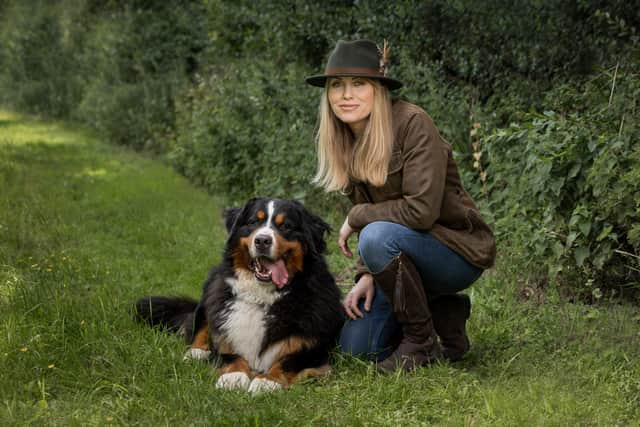

“If your dog comes to you when fireworks start, you don't need to ignore them for fear of making things worse. People often worry they'll reinforce fearful responses, but fear is an emotion. You're not rewarding your dog's fear by offering reassurance.
"Dogs form strong attachments to their owners, and there are parallels with relationships between children and their parents. Being an attentive caregiver means recognising what your dog needs from you. For one dog, that might mean sitting beside you and enjoying a gentle stroke. Another might simply want to disappear behind the sofa. That's fine too. Watch what they're telling you."
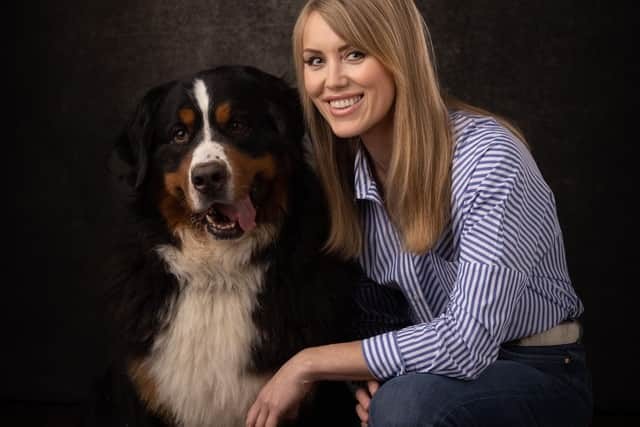
A 2024 Australian study investigating fireworks fear found that seeking an owner or caretaker was the most commonly reported response among affected dogs. Of the 161 dogs whose owners answered the relevant question, 120 (74.5%) sought their familiar person.
In a separate study published in Applied Animal Behaviour Science in 2025, researchers found that dogs showed fewer behavioural signs of frustration during a challenging task when their owner was present. The findings provided evidence of social buffering, where the presence of a familiar individual can influence an animal's response to a stressful situation.
Hanne, who celebrates 20 years in animal training and behaviour practice this year, says fear isn't always obvious.
“Not every frightened dog trembles, paces or barks. Some may appear to be resting but are breathing faster than usual or remain unusually watchful. Others repeatedly lick their lips, lose interest in food or play, or follow their owners around the house.
“Look at the whole dog, what's happening around them and how quickly they recover afterwards.”
Five things owners can do before Bonfire Night
Plan walks before dark. Avoid walking in areas with known displays, check your pet's identification and microchip details, and make sure garden gates and fencing are secure.
Prepare somewhere comfortable to retreat. Provide familiar bedding, close curtains, and use television, radio or music at a comfortable volume to help soften the sound of fireworks outside.
Follow your dog's lead. Offer company or gentle contact if they seek it. Don't force interaction or pull them out of a hiding place.
Offer familiar activities. Sniffing games, food toys or a favourite chew may help if your dog is comfortable enough to engage. Don't insist if they're too worried.
Speak to your vet if your dog has severe noise fears. Dogs who panic, attempt to escape, risk injury or remain distressed long after the fireworks have stopped may need veterinary assessment and treatment.
A sudden change in how a dog responds to noise may also warrant a veterinary check.
Research from the University of Lincoln identified an association between noise sensitivity and musculoskeletal pain in dogs. Other clinical research has highlighted how pain and discomfort can contribute to behavioural problems, even when physical signs aren't immediately obvious.
“If your dog used to sleep through fireworks but has suddenly started reacting to them, particularly as they've got older, it's worth speaking to your vet. Pain can change how animals respond to the world around them. We shouldn't assume every change in behaviour is simply down to age.”
For dogs with established noise fears, carefully planned behaviour modification may help, but Hanne cautions against rushing sound exercises.
“Turning up a recording and hoping your dog will get used to it can make things worse. Desensitisation takes careful planning, and we need to work at a level the dog is comfortable with. Fear isn't something they simply need to 'get over'.”
Fireworks can affect other animals too, including cats, rabbits, guinea pigs, horses and donkeys. So planning ahead and adapting to suit your pet's needs and responses is important.
For further advice, including guidance for other animals and the research behind these recommendations, read Hanne's article, Fearful Fido: Helping Dogs Cope with Fireworks and Fear of Noise: