
Hertfordshire farmers urged to vaccinate their animals against bluetongue threat as cases continue to rise
Hertfordshire farmers are being urged vaccinate their animals against the growing bluetongue threat as cases rise.

More than 470 cases of potentially fatal BTV-3, commonly known has bluetongue, have been confirmed in the UK during the current vector season.
Southwest England is a particular hotspot for the disease and there are concerns about the spread to other regions, including the East.
The first case of bluetongue in Scotland was confirmed in a cow on Monday.
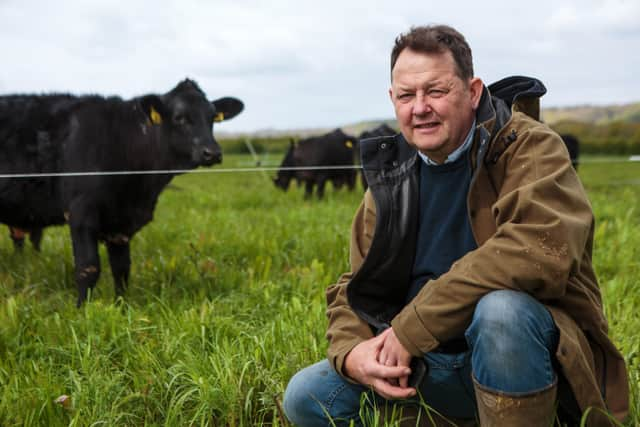
With vaccination rates at less than 10% of all susceptible animals NFU Livestock Board Chair for the East of England Hugh Broom is urging farmers to contact their vet as soon as possible about getting their animals vaccinated.
Mr Broom, who represents livestock farmers across Hertfordshire said: “We are seeing a horrendous situation in the Southwest.
“Beef, sheep and dairy farmers in the East, if your animals are not vaccinated already, please speak to your vet about getting on the list and getting it done as soon as possible.
“It could just take a westerly wind to send the disease our way.
“The vaccine is very effective; it is safe, affordable and quick and it really is the best way of protecting your animals and your business against the devastating impact of bluetongue.”
Bluetongue is a viral disease that affects sheep, cattle, goats, deer, alpacas and llamas.
The disease is spread by biting midges and does not affect humans or human food safety.
Bluetongue is often fatal in sheep and can cause abortions in cows, temporary infertility in bulls and deformities in newborn calves.
Mr Broom said: “A lot of things are causing stress for farmers at the moment, whether it be the lack of rainfall or the conflict in the Middle East pushing up fuel and fertiliser prices.
“These are things we, as farmers, have no control over, but vaccinating your animals is completely in your control.
“You might not be able to get access to the vaccine straight away, but the important thing is to speak to your vet and get your name on the list so you can get it as soon as possible - it is not too late to vaccinate.”
He added: “Farmers should know that help and support is available and they do not have to face this alone.
“Contact me or your local NFU livestock representatives for advice and support – we are here to help – and contact your vet as soon as possible about vaccination.”