
The delights of taking the roads less travelled in Jamaica
Jane Wilson discovers Jamaica’s surprising side
The bicycle creaked as I set off on a two-hour cycling tour through the back roads of rural Jamaica. Morning mist hung over the landscape as rickety trucks rumbled past, car stereos blasted reggae rhythms and motorbikes streaked by in Rastafarian colours, briefly disturbing the stillness of the countryside. It revealed a side of Jamaica I had never encountered before
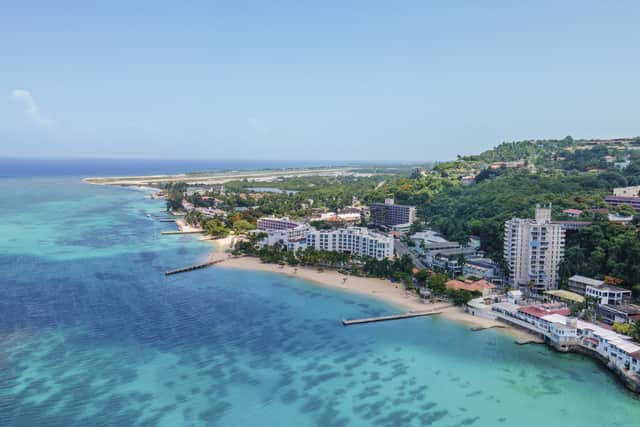

The route wound through farmland in St Elizabeth, one of Jamaica's driest parishes. We stopped to chat with local farmers, learning about the techniques they use in an arid climate that favours crops such as watermelons, onions and scallions. This was a landscape of green fields and lonely roads, grazing goats and grand old manor houses. Fishing villages appeared largely untouched by outside influences, while tiny family-run shops served local communities. As visitors, we felt more like observers than tourists.
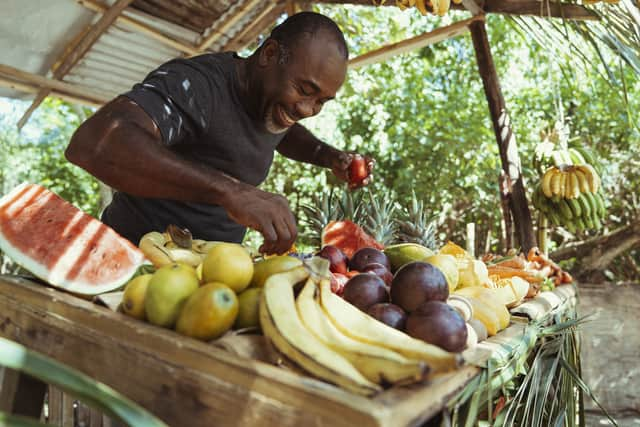
On the return journey we stopped at a roadside stall to sample the island's produce - juicy mangoes, ackee and sweetsop, also known as sugar apple. Its bumpy green skin conceals creamy, custard-like flesh with hints of vanilla and brown sugar. It was easy to understand why this region is known as Jamaica's "bread basket". Farmers and fishermen here supply much of the island's produce and seafood despite St Elizabeth receiving considerably less rainfall than many other parts of the country.
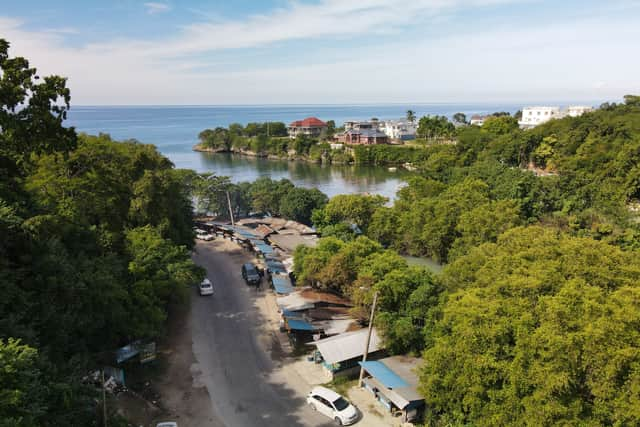
Treasure Beach forms part of this parish, a laid-back community on Jamaica's rugged south coast. Stretching for six miles, its coral-coloured sands are punctuated by secluded coves and fishing boats. It feels worlds away from the island's better-known resort towns. I stayed at Jakes Hotel, a collection of eclectic oceanfront cottages, villas and bungalows that capture the area's bohemian spirit. My room framed its own picture-postcard view of the Caribbean Sea, accompanied by the soothing soundtrack of waves. With no television, it was easy to disconnect from technology and plug into the setting. The colourful, mismatched décor felt homely and relaxed, with a private outdoor seating area. The hotel's bar served as a social hub, while yoga classes took place on a wooden deck facing the ocean and its meditative effect.
Food here reflects the wider community. Ingredients are sourced locally from farmers and fishermen, prepared by local chefs and served by local staff. Menus change daily according to seasonal availability and sustainable farming practices. Written on a chalkboard, the day's offerings included conch fritters, coconut curried chicken, steamed callaloo and sweet plantain. Fresh seafood such as fish, crab and lobster are caught using methods designed to preserve local marine ecosystems.
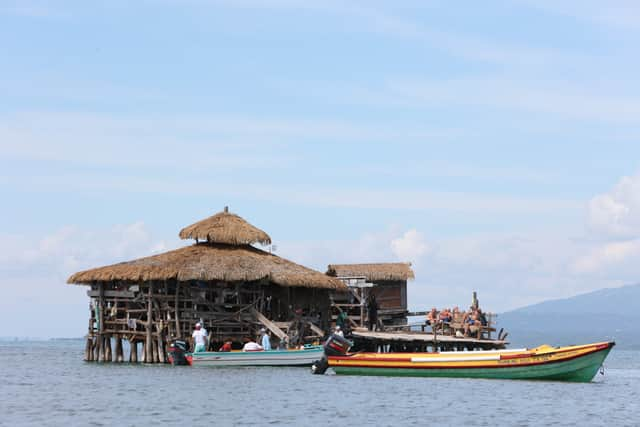
One of the area's most unusual attractions lies about a mile offshore. The Pelican Bar may never win awards for sophistication, but does for for its uniqueness. Perched on stilts above a sandbar in the Caribbean Sea, the rustic wooden structure is accessible only by a 25-minute boat ride from Treasure Beach to what feels like a floating party in the middle of nowhere. Once there, guests can order a Red Stripe beer or rum punch, settle into its laid-back atmosphere and watch competitive games of dominoes unfold while visitors swim, sunbathe and dance to reggae music. The bar remains an iconic Jamaican attraction despite suffering extensive damage during Hurricane Melissa. Repairs continue, but visitors have already returned, determined to support one of the country's most distinctive landmarks.
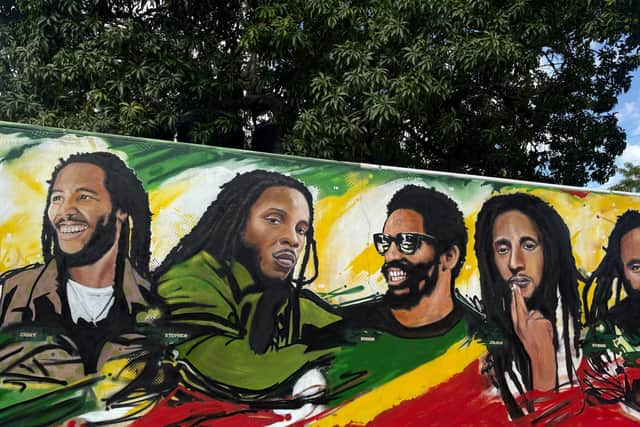
Jamaica is a rich landscape of mountains, rainforests and reef-lined beaches. Its vibe is driven by reggae music, which provides a soundtrack to daily life. The legacy of the late Bob Marley remains ever-present. As the birthplace of the Rastafari movement, which emerged during the 1930s, Jamaica displays its cultural identity threading its emblem red, yellow, green and black coatings on towels and fridge magnets and markets as a fashion brand. Kingston, the bustling capital, tells much of this story at the Bob Marley Museum, housed in the singer's former home and recording studio, while vibrant street murals celebrate Jamaica's heritage in visual form.
Montego Bay attracts visitors seeking all-inclusive resorts and private yacht cruises as well as historic attractions such as Rose Hall Great House. According to local legend, the spirit of Annie Palmer, the White Witch of Rose Hall, still roams the estate, contributing to its reputation as one of the Caribbean's most haunted properties. Elsewhere, adventure awaits in Negril, famous for its diving and snorkelling sites and at Rick's Café where visitors gather to watch daring cliff jumpers plunge into the sea before applauding spectacular sunsets and live music. In Ocho Rios, crowds tackle the terraced limestone cascades of Dunn's River Falls, while there’s ziplining and coffee plantation tours in the Blue Mountains. Rum enthusiasts can visit the Appleton Estate, creative travellers can join candle-making workshops at Rockhouse Hotel or chocolate creations at Pure Chocolate Company, choosing from a range of flavours packaged by local graduate designers.
One evening at Footprints Hotel in Negril, another independently owned Jamaican property, a musician began strumming Bob Marley's One Love as the sun slowly disappeared into the Caribbean. Sitting on Seven Mile Beach eating fish tacos, I reflected on what had made the greatest impression.
It was not the beaches or famous attractions, it was the community spirit thriving in the island's quieter south. Independent hotels, farming partnerships and locally owned businesses provided a deeper insight into Jamaican life and culture than any organised excursion could offer. This is community tourism at its best, creating meaningful connections between visitors and residents while supporting local livelihoods.
Hurricane Melissa, which struck the island in October 2025, caused widespread destruction, tearing roofs from homes, damaging roads, devastating crops and leaving many communities facing an uncertain future. International support helped recovery efforts, but the rebuilding continues.
Yet Jamaica's spirit remains resilient. Bob Marley sang about it, Usain Bolt ran for it, generations of Jamaicans have embodied it yet Mother Nature challenged it. The island’s determination, pride and creative initiatives are bringing its spirited tourism back.
Away from the crowded resorts and familiar tourist trails, the roads less travelled reveal a Jamaica rich in authenticity, warmth and character. They offer a reminder that some of the most rewarding travel experiences are often found where fewer people choose to look.
Fact box
For more information visit www.visitjamaica.com
Before you fly: According to Holiday Extras, airport lounge access in 2025 was available from an average of £35 per person, £1 less than the average amount Britons spent in airport terminals. Visit HolidayExtras.com or call 0800 316 5678 for a more laid-back start.