
New home opens in Hertfordshire to support vulnerable youngsters in care
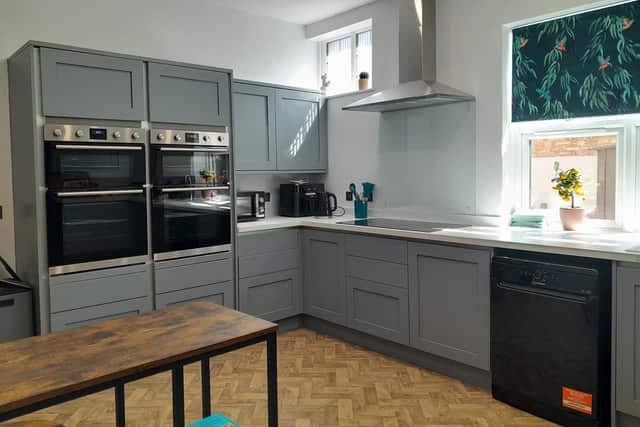
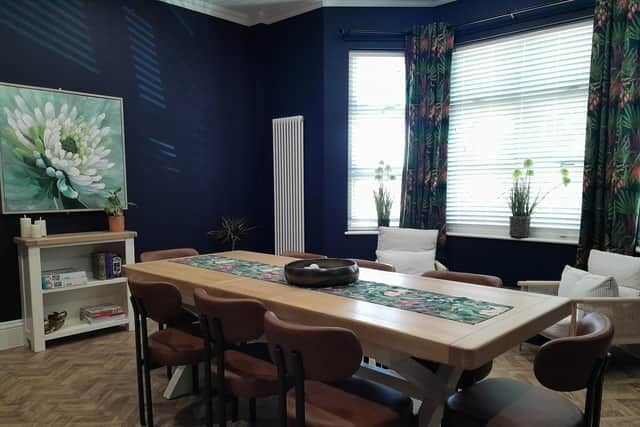
Oak flooring, plush carpets, leaded windows, and walls adorned with an array of striking artwork.
These are impressive interiors – with an extensive garden to match – that would comfortably find a place in the pages of a glossy property magazine
But this Edwardian villa isn’t a ‘turn-key’ designer home put together for the wealthy house-hunter. This is the latest children’s residential home to be finished in Hertfordshire – ready for some of the most vulnerable young people in the county.
And once officially registered by Ofsted, it will become home to four or five young people, aged between 14 and 18, at a time. Since 2020, Hertfordshire County Council has been on a mission to increase the number of children’s home places within the county.

And by the end of next year (2027), the authority aims to have increased the number of in-house residential places for children in care within the county to 70.
That will not be enough for the 150 children in care who currently require residential placements. But it is part of a sufficiency strategy designed to reduce the number of children being placed outside of the county’s borders – further away from friends, families and schools.
And that strategy has now been described as “impressive” in an Ofsted inspection report published this week, following a five-day visit in July.
Overall, the inspection judged the experiences and progress of children in care and the impact of leaders on social work practice with children and families to be “outstanding”.
The experiences and progress of children who need help and protection and the experience and progress of care leavers were judged to be “good”.
And it was following the publication of the report that the county council opened the doors of the newly-completed residential home to the Local Democracy Reporting Service.
Without doubt, the property is a long way from the stereotypical image of institutional children’s homes popularised in musicals like Annie – or even from the more modern TV images of The Dumping Ground.
That is not lost on the council’s director of specialist services commissioning, Miranda Gittos, who acknowledges the public’s “hard knock life” perception of children’s homes but stresses that that is “absolutely not the case any more”.
There are just four bedrooms in the home, each equipped with a wardrobe, chest of drawers and a desk – and a small budget for individual residents to pick out some essentials of their own.
There’s a “flat” where one young person at a time can learn how to live alone before leaving care. And there’s a communal lounge and snug, as well as a dining room and kitchen where young people and staff are expected to cook and eat together.
Ms Gittos says that with the ongoing residential strategy they have been recognised as “trailblazers”.
And she says the quality of the physical environment in the properties helps the children feel valued, which can, in turn, impact on how well the children do educationally and how they make links with their family.
“What we are trying to do is replicate a family environment,” she said. “We want children to feel it’s their home. We want it to be a beautiful home that they feel proud of. And it should be like living in a family.”
Highlighting the council’s “impressive” sufficiency strategy, the newly published inspection report says leaders have developed “a diverse and increasingly wide range of provision for children requiring care outside of their family home through their impressive sufficiency strategy”.
It says more children live in high-quality homes, close to their families and communities, cared for by skilled and able carers.
And it says that due to the increase in in-house provision, the council’s use of unregistered homes is “rare”.
“Due to the extended range of in-house care provision, the use of unregistered, illegal ‘unregulated’ children’s homes is rare in Hertfordshire,” says the report
“Children are only placed in these homes when other suitable options have been exhausted.
“On these exceptional occasions, such arrangements were for short periods, and/or pending Ofsted registration, with robust strategic and operational oversight of children’s welfare and safety.”
Currently the county council cares for around 1,100 looked after children. The majority are placed in family homes with foster carers or in ‘kinship’ placements.
Around 14% of Hertfordshire’s looked-after children will be placed in Ofsted-regulated children’s homes. Currently the county council provides 55 residential places – through a mix of in-house provision and direct commissioning.
Twenty-nine of those places have been created through the council’s residential strategy – which aims to have created 70 places by the end of next year.
The latest home viewed by the Local Democracy Reporting Service has been developed by the county council but will be operated on the council’s behalf by a private company.
Among the other projects highlighted by Ofsted inspectors in the report was the “well-regarded” Building Bridges, which works with families of children who have been – or are at risk of being – taken into care.
During the first three years, the Building Bridges programme worked with 116 families, resulting in the return home of 69 children.