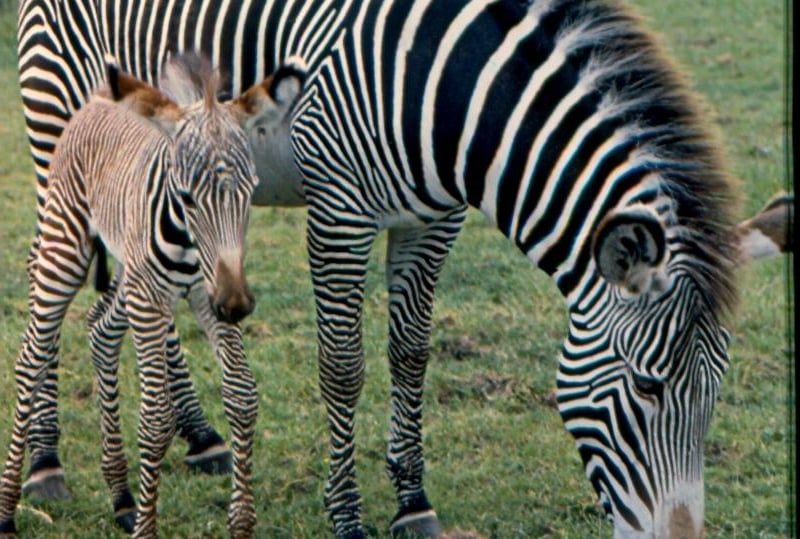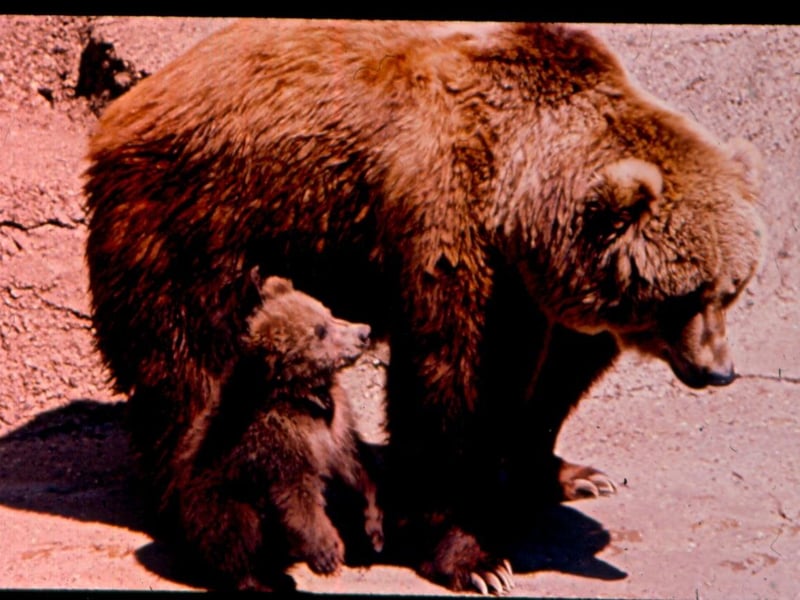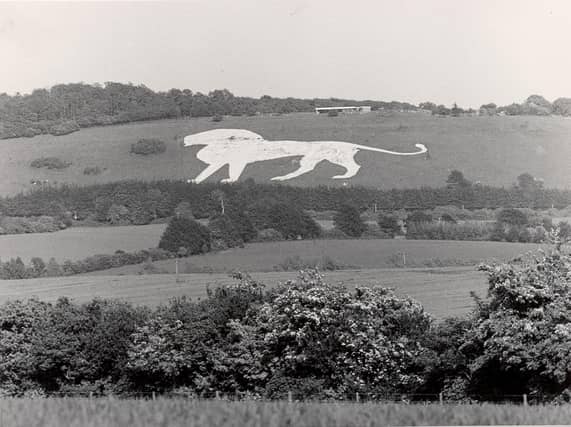

The nostalgic pictures include a photo of two elephants and two camels being walked to Whipsnade Zoo from Dunstable railway station, a trio of brown bear cubs being hand-reared by zookeepers, and one of the earliest photographs of the Zoo’s iconic chalk white lion from 1933.
Conservation charity ZSL – which is also celebrating a milestone birthday as it turns 200 this year – opened Whipsnade Zoo on Sunday, May 23, 1931.
It was Europe’s first ‘open zoo’, designed to give large herd animals huge habitats to roam in.
ZSL bought a derelict farm on teh Dunstable Downs in 1926 and set to work, with animals starting to arrive in 1928. Pheasants, llamas, wombats and skunks were among the first to arrive.
When it opened its doors in 1931 it was an immediate success and welcomed tens of thousands of excited visitors in its opening week. The bank holiday Monday after Whipsnade opened was so busy, it welcomed almost 30,000 visitors.
The Zoo’s distinctive chalk hill figure of a white lion, which measures a gargantuan 147m from nose to tail, was completed in 1933.
Today, the conservation zoo is home to over 11,000 animals including Asian elephants, two species of rhino, and reticulated giraffes, as well as a pride of six northern African lions, cheetahs, and brown bears.
It has also helped with the reintroductions of extinct-in-the-wild species, such as the Przewalski horse and the Scimitar Horned Oryx, and boasts the UK’s first aquarium dedicated to conserving threatened and extinct-in-the-wild freshwater fish.
As the UK’s largest zoo, Whipsnade is a hive of conservation activity. It has welcomed 60 white rhino calves as part of the conservation breeding programme.