
Record levels of overcrowding reported at Dacorum jail as early prisoner release scheme starts
Latest Government data shows that Dacorum’s prison was dealing with record levels of overcrowding earlier this year, as some inmates in England are set for early releases.
Ministry of Justice figures published in July showed that HMP The Mount was among the many prisons in England and Wales where record levels of overcrowding were reported.
It was announced this summer that prisons across England and Wales had hit a record high for overcrowding.
National reports state that an estimated 1,700 are expected to be freed from prison today with roughly 5,500 inmates due to leave jail early in the next two months.
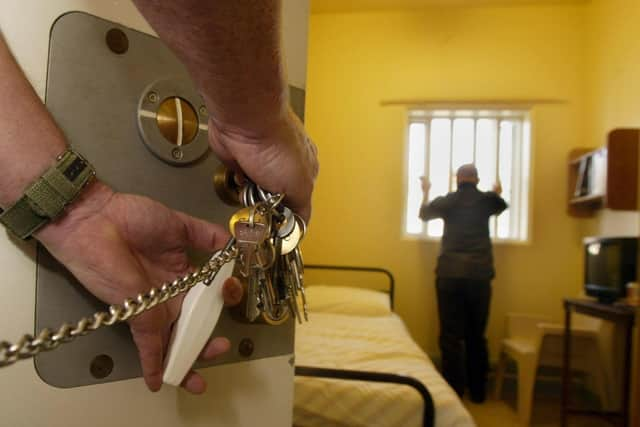

Latest Government data revealed that 90 inmates, or 8.7% of all prisoners at The Mount prison, were living in crowded cells as of March. This was up from 8% the previous year and the highest level seen since 2019.
Justice Secretary Shabana Mahmood warned in July that without immediate action, prisons would run out of space within weeks – leading to "a total breakdown of law and order". She revealed the divisive scheme was necessary to avoid the “collapse” of the prisons system.
Nationally, the prison overcrowding rate rose to 23.6% from 22.9% in 2022-23 – a five-year high.
Currently, most prisoners serve 50% of their sentence in jail, with the remainder served on licence, subject to being returned to prison if they violate their parole conditions. The Government plans include a temporary measure to reduce that to 40%.
The temporary policy does not include those convicted of sex offences, terrorism, domestic abuse or some violent offences.
Andrew Neilson, director of campaigns at the Howard League for Penal Reform, welcomed the early release scheme, "as it is vital that pressure on overcrowded prisons is reduced as a matter of priority".
He said: "Moving the point of automatic early release will make it easier for services to plan and prepare people before they return to the community.
"The sensible way to protect the public is to ease pressure on a system that has been asked to do too much, with too little, for too long.
"Ultimately, as the prime minister said in a press conference, we "need to be clear about the way in which we use prisons", and we believe this lies in ensuring prioritising reduced prison numbers and ensuring that prisons can be safe and purposeful places for the people who really need to be held in them."
The number of prisoners across the country was also at a record high – 87,129.
Pia Sinha, chief executive of the Prison Reform Trust said: "After decades of the political arms race to increase sentence lengths; cramming more people into our jails; and failing to provide the necessary places to accommodate them, the prison system has finally run out of road.
"Doing nothing is no longer an option. The government has thankfully recognised the importance of reducing overcrowding as an immediate first step; this will buy some breathing space.
However, Ms Sinha warned with the prison population projected to rise further, longer-term solutions must soon be found.
The Ministry of Justice estimates the increase will be between 94,600 and 114,800 by March 2028.
It is already building six new prisons to create an extra 20,000 places as demand grows for cell spaces.
About 6,000 spaces have been created already and about 10,000 will be built by the end of 2025.