
NHS bosses launch winter plan to support elderly and vulnerable in Hertfordshire
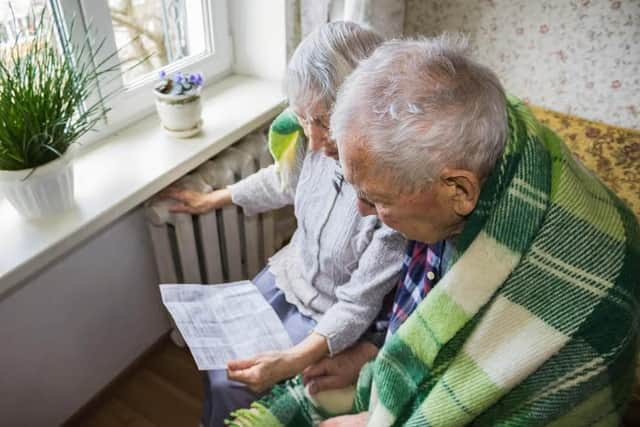
Health bosses in Hertfordshire have launched a winter plan to help the county’s 100,000 frail and elderly people through the colder months.
Hertfordshire and West Essex Integrated Care Board unveiled the plan at its most recent board meeting on September 26.
The ICB stated calls to 111 are expected to increase by 8.3% this winter, while emergency ambulance response times “remain challenged”.
One key goal is a 25% reduction in hospital admissions for frail older people, with assessments for patients at risk of falls. Those with moderate falls risk may be referred to take part in a strength and balance programme, while those at high risk could go to a falls prevention and frailty clinic.

Data shows that the proportion of over-65s attendance at the emergency department remains static in winter, while the figure goes down by 2% for the 18 to 65 age group. Among under-18s, however, the figure rises by 2%. The ICB report states: “Children and young people account for over a quarter of emergency department attendances.
“Children are the most likely age group to attend emergency departments when they could be managed more effectively in alternative settings.”
Risks identified in the report included mental health demands, as well as paediatric care.
The report stated: “If patients with specific mental health needs are held in the emergency department due to mental health system delays, with or without police, then patient experience and safety may be compromised.
“In addition, staff safety could be compromised, resulting in long emergency department waits, lack of access to appropriate facilities (ligature risks), lack of supervision and risk of absconding. For emergency department staff, this could result in exposure to physical or non-physical harm.
“If demand for paediatric admission outstrips capacity (caused by an increase in infectious diseases, respiratory or otherwise), then patients will not be able to be admitted to ward/HDU areas and will remain in the emergency department, resulting in potential clinical harm and potential for mutual aid and/or diverts to other acutes.”
The report added that there is a strong focus on providing urgent care in the community, with referrals through unscheduled care coordination centres.