
Apsley skin cancer survivor’ says: “You don't realise something smaller than a pea can be so serious"
Apsley skin cancer survivor’s sun safety drive as cases reach an all-time high.
An Apsley teacher has described how her life was put on hold after a nuisance mole was diagnosed as the most serious form of skin cancer at the age of just 26.
Early years teacher, Grace Davies, discovered she had melanoma after she had a mole removed that had changed over time.
Now clear of the disease, she’s urging people to enjoy the sun safely this summer.
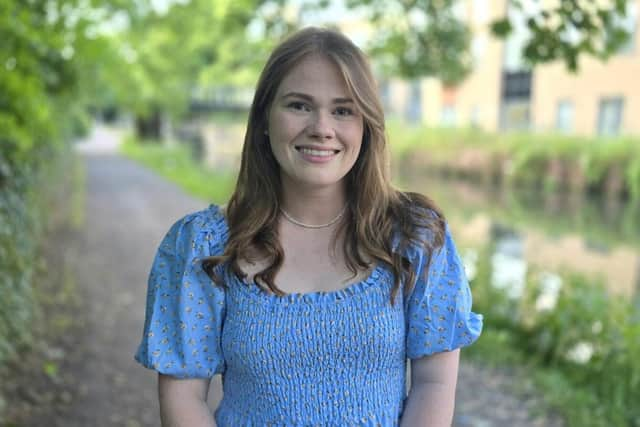

Grace’s call comes as latest analysis by Cancer Research UK reveals melanoma skin cancer cases have increased by almost a third over the past decade with a projected record high of 20,800 cases in the UK this year.
With around 1,700 people in the East of England currently diagnosed with melanoma every year, she’s passionate about raising vital awareness and is joining forces with the charity and NIVEA SUN to share her story, with advice and tips on how people can protect their skin from the sun.
Grace said: “I’d noticed that a pink coloured mole on my upper left arm had become slightly raised and was quite large in size. I showed my GP a couple of times but they reassured me that it was benign.
“As time passed, it continued to grow and began to catch on my clothes and bleed, so I asked to have it removed as it was becoming a nuisance. The surgery agreed to take it off and sent it off for analysis which was their normal procedure.
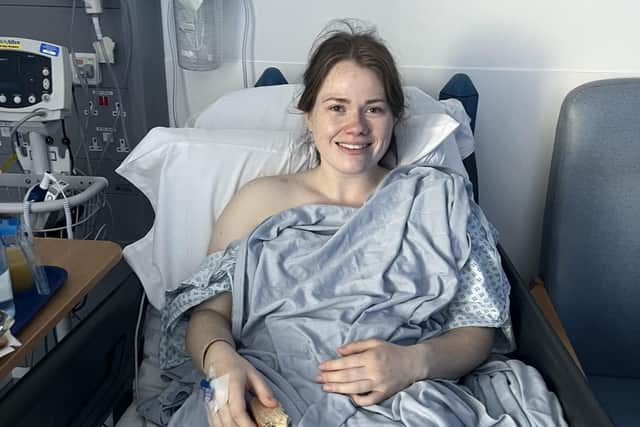
“A week later, my doctor phoned to warn me that I was going to be referred to hospital as tests had revealed the mole was in fact a melanoma.
“I didn’t really know what that meant at the time and assumed that because they’d removed it, it would be fine.
“It wasn’t until I looked up more information online and had an appointment with the skin cancer nurse that I realised how serious the diagnosis was. You don’t realise something that can be smaller than a pea can be so serious or that I could develop skin cancer at such a young age.”
Grace required a minor op called a ‘primary excision’ to remove the full mole and some tissue around it. Then she had further surgery under a general anaesthetic to remove and test a lymph node in case the cancer had spread. At the same time, doctors carried out a ‘wider excision’, removing more surrounding tissue to ensure there were no cancer cells left.
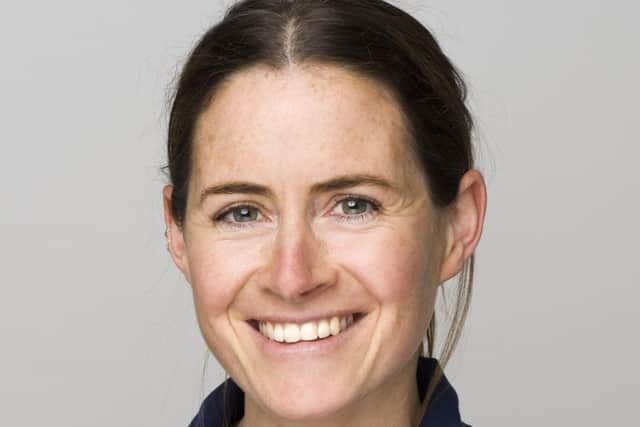
In the last month Grace has received the good news that her cancer was contained and she requires no further treatment. Now she’s looking forward to enjoying the summer safely and sharing her story with friends to help raise awareness.
Grace said: “My friends were quite shocked as they were aware that it was something their grandparents had experienced or maybe family friends but it was not something that we thought might affect our age category.”
“I hope I can encourage people to think about their sun habits and take precautions. It’s so important, when so many skin cancer cases could be prevented by being safe in the sun and using a combination of shade, clothing and sunscreen to avoid burning.”
“I always encourage people see their GP if they notice any unusual changes to their skin. Spotting cancer early can make all the difference.”
Cancer is more common in older people but it can affect anyone. Researchers found that around 17,000 UK melanoma cases are preventable every year, with almost 9 in 10 caused by too much ultraviolet (UV) radiation from the sun and sunbeds.
Anyone can get sunburnt or develop skin cancer, but those at higher risk include people with lighter skin tones and naturally light-coloured hair or eyes, as well as people with lots of moles and freckles, or a family history of skin cancer.
And when it comes to signs and symptoms of the disease, it’s not just changes to a mole or freckle that matter, it could be a sore that doesn’t heal, a lump, an ulcer, or a patch of skin that’s changed colour. Any unusual changes to an area of people’s skin should be seen by a doctor.
Cancer Research UK Health Information Manager, Beth Vincent, said: “Getting sunburnt just once every two years can triple the risk of developing skin cancer, compared to never being burnt. So, we’re grateful to Grace for lending her voice to our campaign with NIVEA SUN.
“Even on a cloudy day, the sun can be strong enough in Hertfordshire - and across the UK - to burn between mid-March and mid-October. Avoid getting caught out by checking the UV index on the weather forecast or online. If it’s 3 (moderate) or above, it’s time to think about sun safety.
“Whatever your skin tone, whether you’re abroad, having a staycation or just out-and-about, remember the three-step method to enjoy warm weather safely: seek shade, cover up and apply sunscreen regularly.”
For more skin cancer information and sun safety tips visit cruk.org/sunsafety
SUN SAFETY MYTHS
Not only are melanoma cases on the rise across the UK, in the East of England, 250 people in the region die from the disease each year.
That’s why sorting fact from fiction is so important when it comes to sun safety.
Ceri Eames, a Cancer Research UK Cancer Awareness Nurse, works in communities to help people reduce their risk of the disease.
She said: “There’s a lot of misinformation out there, but one thing we do know is that damage to our skin from the sun is the number one cause of melanoma. It’s the UK’s fifth most common cancer.
“That might sound scary, but the majority of melanoma cases could be prevented by being safe in the sun.”
As part of Cancer Research UK’s partnership with NIVEA SUN, Ceri is helping to debunk some common myths. Here’s her advice:
Myth one - I need to get as much sun as possible to get enough vitamin D “A bit of sun can help our bodies to make vitamin D which is important for things like healthy bones. People with lighter skin tones only need brief sun exposure, while people with darker skin tones may need more time for the body to make enough vitamin D. But whatever your skin tone, there’s no need to sunbathe or risk sunburn in order to get vitamin D. Once your body has made enough, it’ll start to break down any extra, so spending even longer in the sun won’t help. Plus, you can get vitamin D from your diet or supplements. It’s a good idea to speak to your GP if you’re concerned about your vitamin D levels.”
Myth two – The SPF in my makeup is enough
“Even if your makeup label claims to offer sun protection, you’d need to apply several times the normal amount of foundation or face cream to get anywhere close to the level of protection stated on the bottle. You’re also highly unlikely to reapply makeup regularly throughout the day, as is required to keep protected.”
Myth three – Aftersun products repair the damage done by sunburn
“While aftersun products may soothe the unpleasant symptoms of sunburn, they won’t fix any damage done to the DNA inside your cells that could lead to skin cancer. If you start to notice signs of burning, seek shade and cover up immediately. Don’t spend more time in the sun that day – even with sunscreen.”
Visit cruk.org/sunsafety to find out more.