
How to help neurodiverse children make the step up from primary to secondary school
West Hertfordshire-based education brand Tutor Doctor shares their tips for helping neurodiverse children make the step up to secondary school - especially now the first few weeks have passed.
Starting secondary school is a challenge for any child – new buildings, routines and teachers – not to mention lots of new faces. For many, it’s exciting, but for others, it can feel a little daunting. And for neurodiverse children, who may find change, in any form, challenging, the transition can feel particularly overwhelming.
Now that the first few weeks of term have passed, the initial ‘back to school buzz’ has faded, and the reality of daily routines, crowded corridors and multiple teachers is settling in. For neurodiverse children especially, this stage can feel like the hardest part of the transition.
With thoughtful support, this period can also be an opportunity for children to grow in independence, confidence and self-belief. According to the Department for Education, an estimated 15-20% of children are neurodiverse – so this is a journey thousands of families make every year¹. The key is helping your child feel equipped and supported in navigating the new normal.
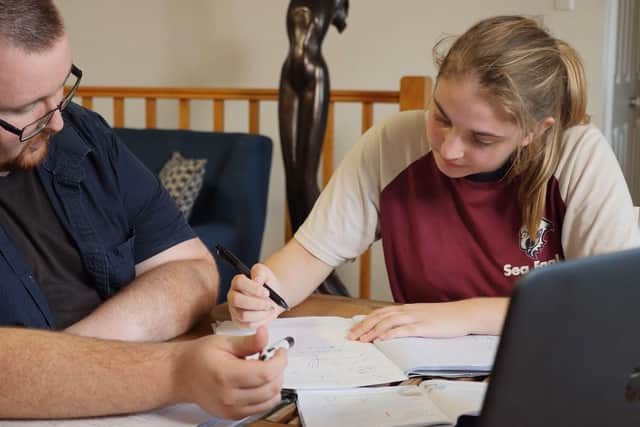

Here, Tutor Doctor’s education specialist, Becky Ward, shares practical ways to make the early weeks of secondary school smoother and more positive.
Reinforcing familiarity
Even though term is underway, it’s normal for neurodiverse children to still feel unsettled as they adjust to new routines and expectations. Revisiting familiar strategies can help them feel more grounded. Simple steps, like reviewing their timetable, discussing the highlights of their day or reflecting on what’s gone well so far, can reinforce a sense of control and achievement.
Visual tools, checklists or colour-coded homework systems are still useful at this stage to support organisation and reduce overwhelm. Encouraging your child to share what’s working – and what feels tricky – gives them a voice in managing their own transition, while reminding them that they have the skills and support to navigate the school day successfully.
The benefits of supportive relationships
Peer dynamics can shift quickly in the first few weeks of term – and this can be particularly tricky for neurodiverse students. Staying connected with friends from primary school can offer comfort, while new friendships may form gradually through shared interests.
It’s also reassuring for children to know that approachable adults are nearby – whether that’s form tutors, subject teachers or members of the pastoral team. Remind your child that asking for help is normal and encouraged.
Routines and practical adjustments
For many neurodiverse children, it isn’t the schoolwork itself that feels unsettling but the pace of the day and changes in routine. Now that the term is underway, moving between classrooms and juggling homework from multiple subjects can feel exhausting.
Encourage your child to organise their own bag, homework and uniform in advance. Small practical adjustments like these can help them feel more in control. If routines have started to slip, gently re-establishing them now can reduce frustration and anxiety.
Emotional reassurance and resilience
It’s natural for children to feel worries about school, and these can peak once the initial excitement has passed. Letting them know that this dip is normal can be reassuring.
Confidence grows through small wins. Celebrating strengths and achievements – whether remembering a PE kit, completing homework independently or navigating a tricky corridor change – helps build resilience and independence.
Practical calming strategies are also important. Breathing techniques, fidget tools, or a small comfort item in their bag can provide reassurance when things feel overwhelming. Regular check-ins help parents understand and support emotional ups and downs at this stage.
Belonging, confidence and new beginnings
The move to secondary school is a significant change and, for neurodiverse students, it can sometimes feel especially challenging. The hardest stage is often right now – when novelty has faded and routines are becoming the reality.
With thoughtful adjustments, reassurance and a focus on small daily wins, parents can play a supportive role in helping their child navigate this transition. The goal is simple: to help every child feel that they belong, build confidence step by step and embrace the opportunities secondary school brings.